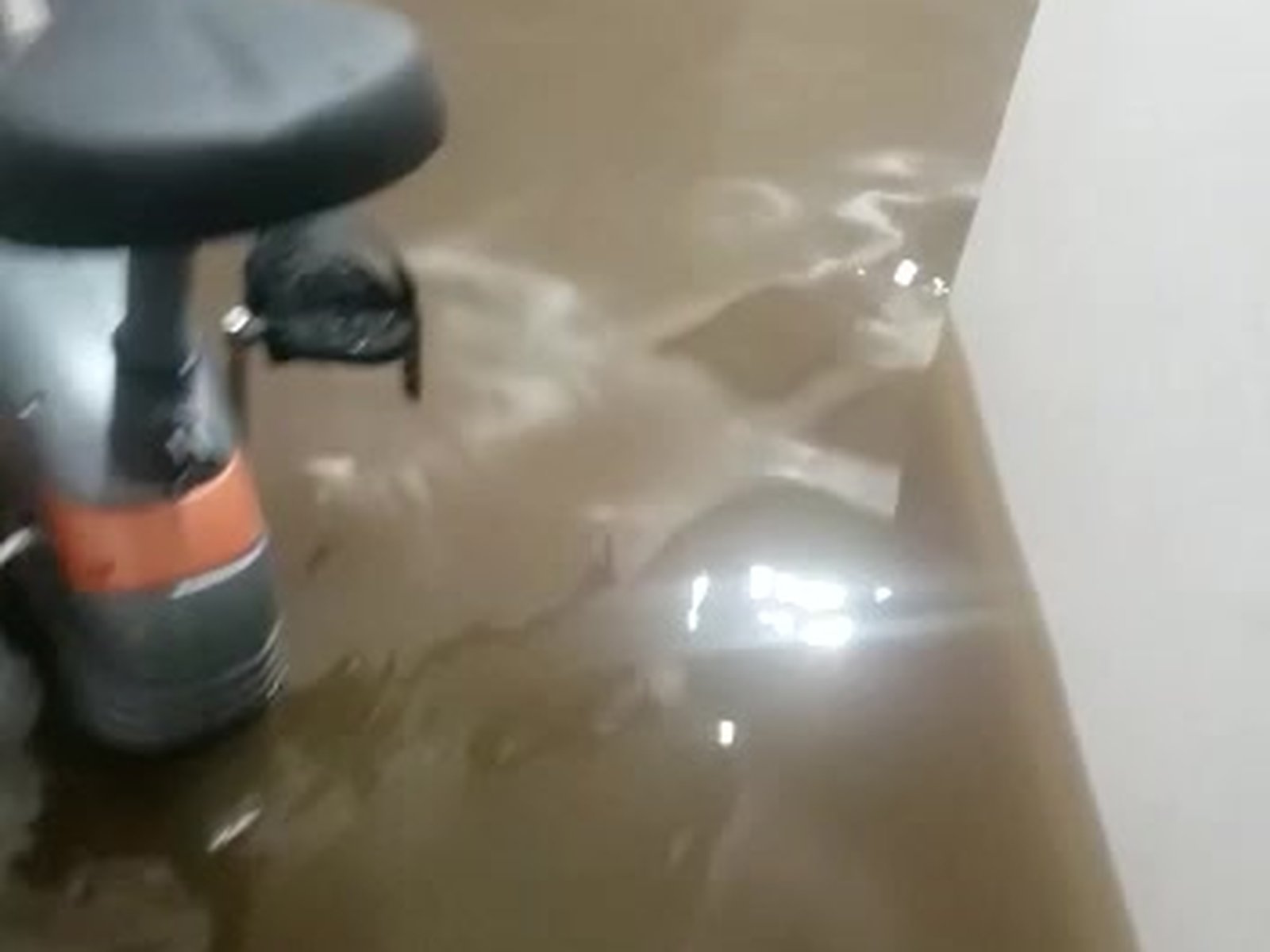
Insurance scope under the Water Backup endorsement, Master Plumber sub on the pump itself, one licensed contractor for the mitigation and the rebuild.
When a sump pump fails on Staten Island, the water in the basement is rarely covered under a standard HO-3 homeowner policy. Coverage typically requires the optional Water Backup and Sump Overflow endorsement, and the loss splits into three real categories under IICRC S500: clean groundwater caught fast, a weekend failure that turned over to Cat 2 biofilm, or a sewer surcharge through the sump pit on the combined-sewer side of the borough. Anajur is a NYC DCWP-licensed general contractor (#1220350-DCA) running insurance-track sump pump failure water damage work across all 13 Staten Island ZIP codes. Master Plumber sub on the pump per NYC Admin Code §28-105.4.4. Xactimate-fluent estimator on the WTR mitigation and the reconstruction. One file, one phone call — Jouri direct at (917) 969-1378.
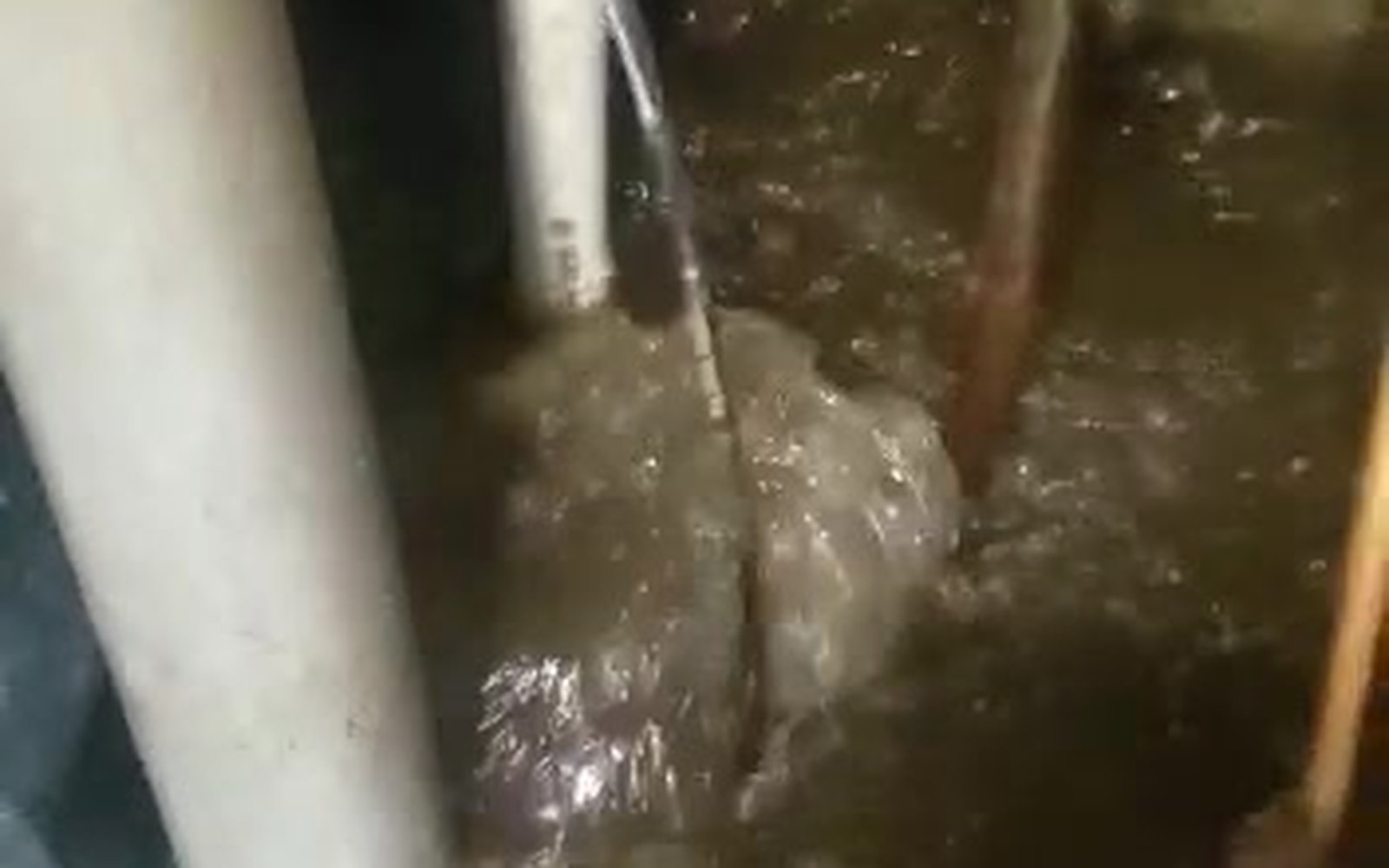
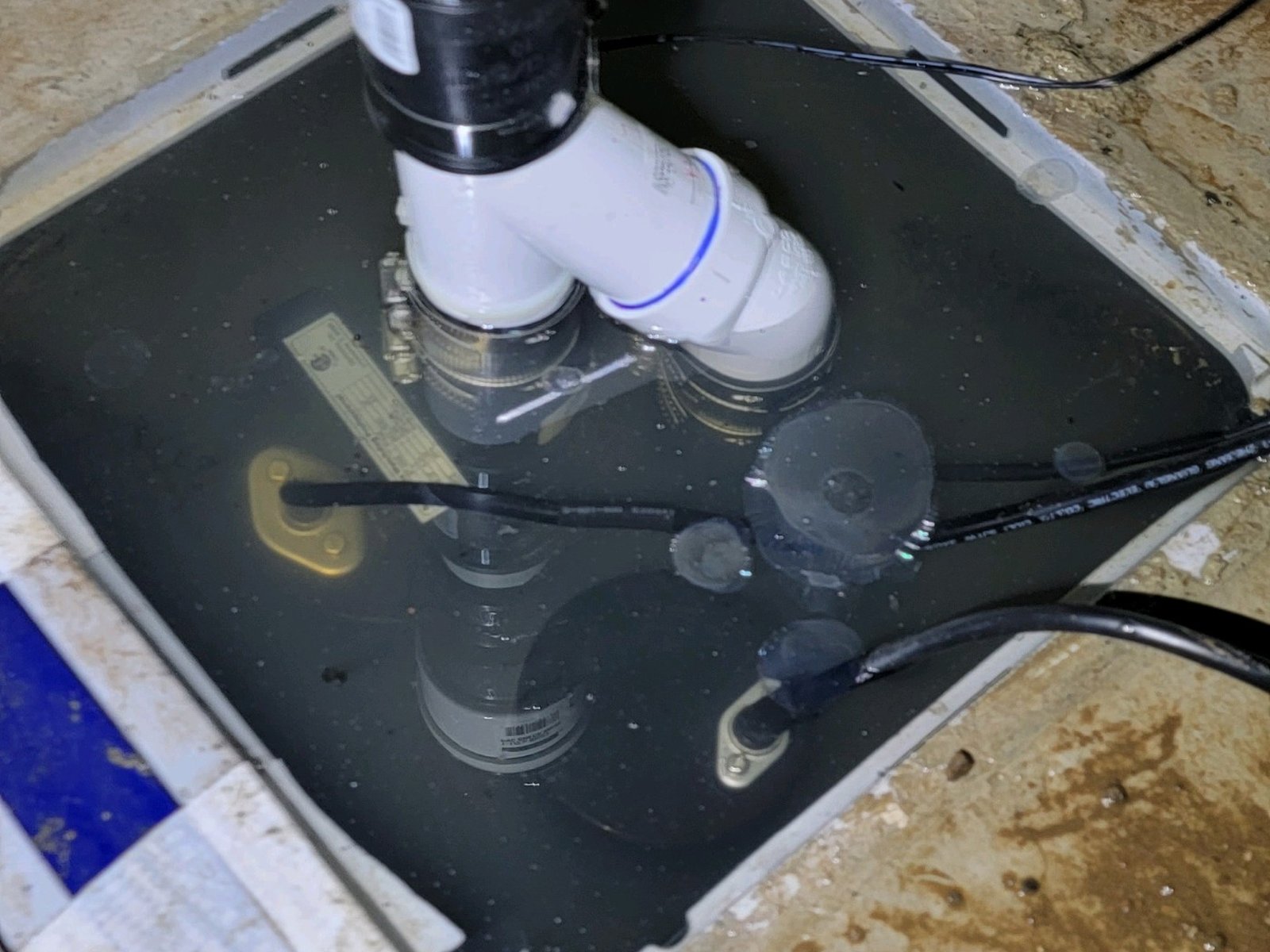
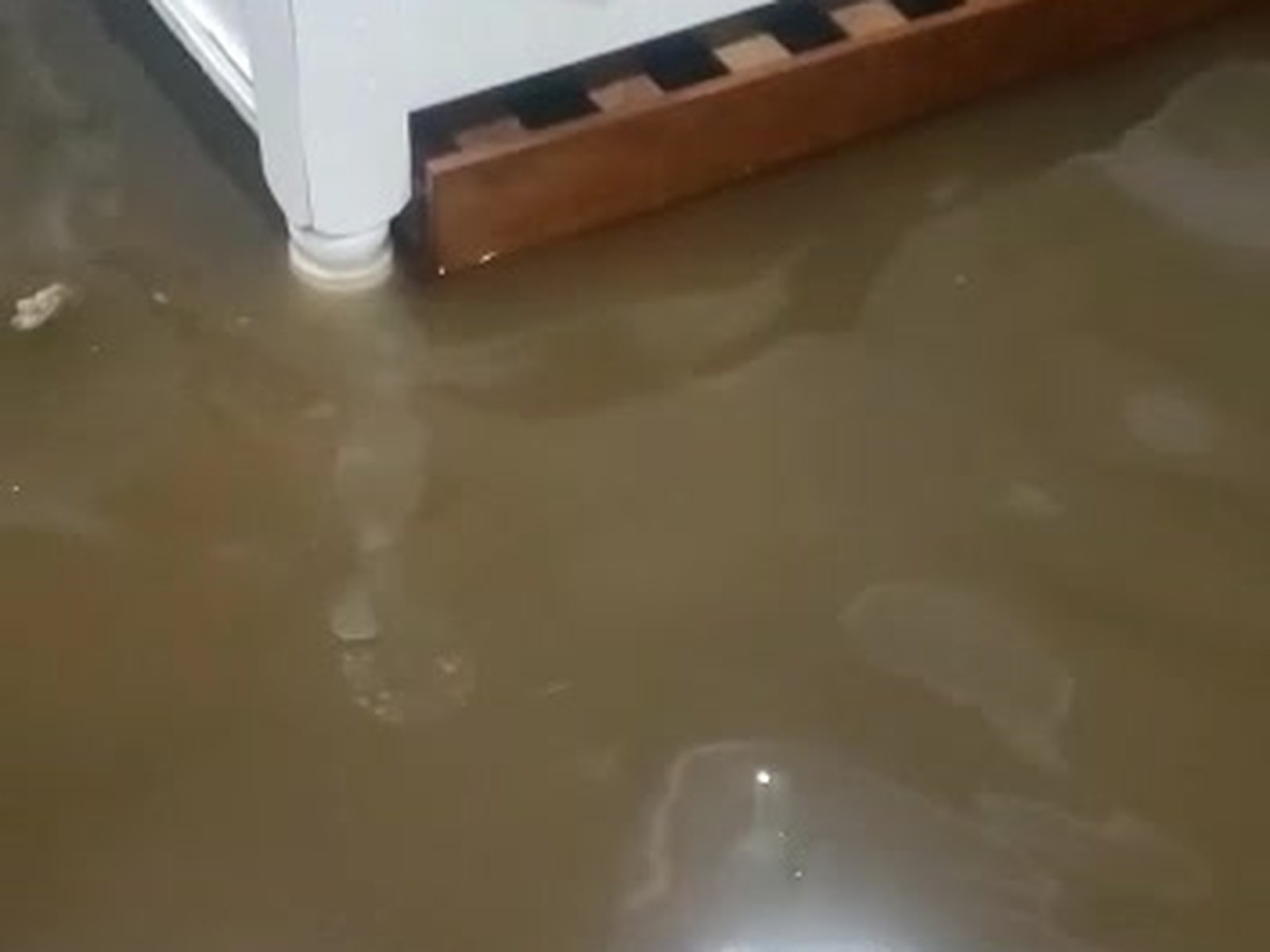
Sump pump failure water damage is the basement loss that happens when the residential sump pump stops evacuating groundwater. The water rises above the pit, contacts floors, walls, and stored property, and the homeowner discovers two things at once: the pump is dead, and the standard HO-3 policy excludes the loss unless the optional Water Backup and Sump Overflow endorsement was added in advance.
On Staten Island the failure pattern splits into mechanical (motor seized, capacitor blown, float switch jammed), environmental (discharge line frozen at the exterior termination, sediment clog), and electrical (GFCI tripped, dedicated circuit faulted, pump unplugged during a power event). The water that results is rarely a single category. A pump that fails Friday evening and is discovered Monday morning has already crossed the IICRC S500 threshold from sanitary Category 1 into greywater Category 2 — a procedural reclassification with carrier-scope consequences.
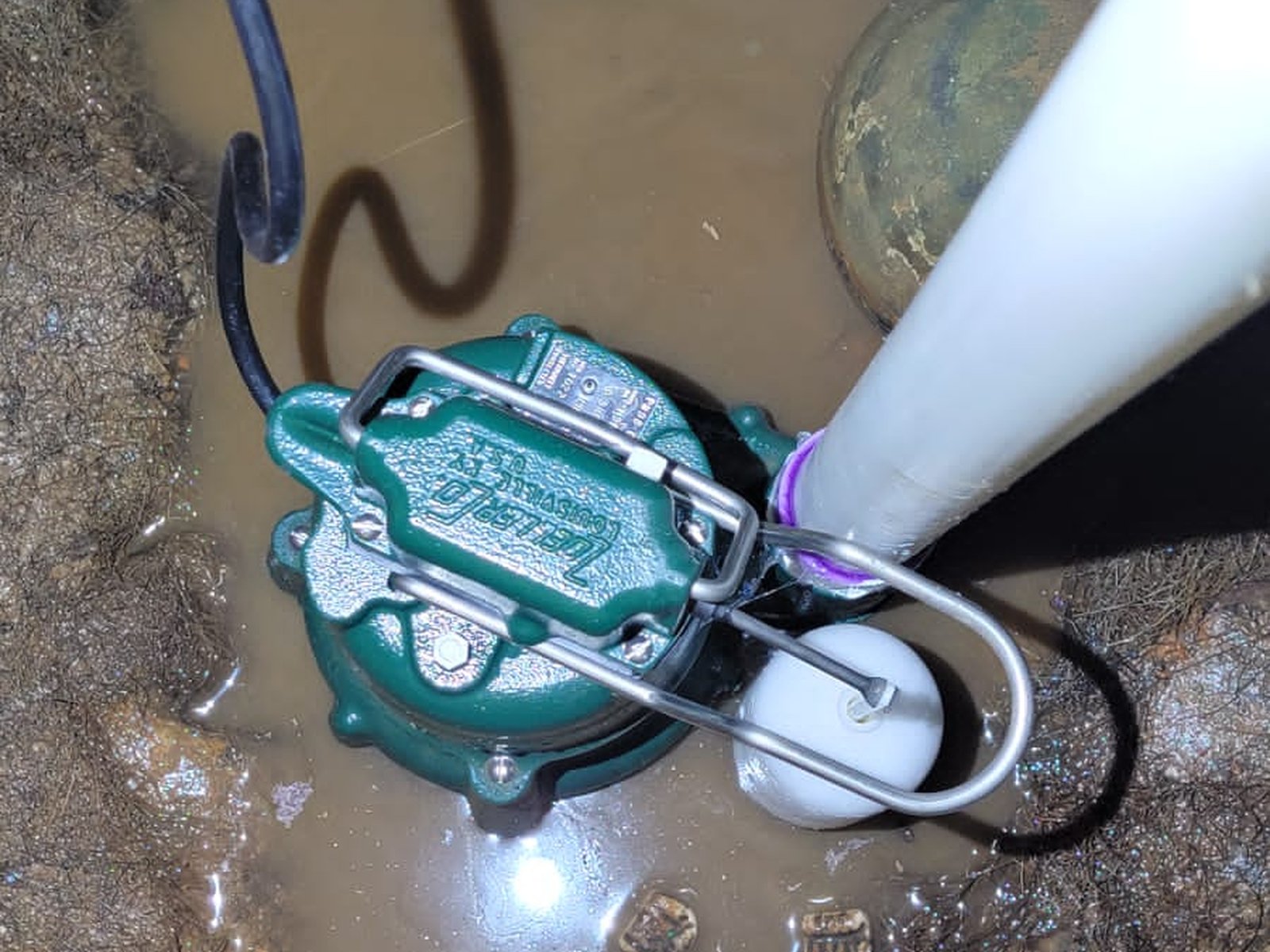
Anajur Construction Corp. runs this work as one file from First Notice of Loss to recoverable depreciation release. The pump replacement is performed by a NY State Licensed Master Plumber sub under NYC Admin Code §28-105.4.4; the WTR mitigation and the reconstruction sit on the Anajur DCWP HIC #1220350-DCA. One contractor, one phone call, one Xactimate estimate the carrier desk reviewer can read line by line.
NYC Plumbing Code §1113 governs sump-and-pumping-system design. NYC Admin Code §28-105.4.4 reserves sump pump replacement to a NY State Licensed Master Plumber. The 2025 NYC Electrical Code (adopting the 2020 NEC via Local Law 128 of 2024, effective December 21, 2025) imposes mandatory GFCI protection on every sump pump installed in the city.
Governs pump capacity, head pressure, sump-pit dimensions (≥18 inches diameter by ≥24 inches depth), pit construction materials, discharge piping, gate valve and full-flow check valve requirements. Verify at NYC AmLegal.
Sump pump replacement is ordinary plumbing work that may proceed without a NYC DOB permit, but only when performed by a NY State Licensed Master Plumber filing the required monthly report with NYC DOB. Anajur is a DCWP-licensed general contractor, not a Master Plumber, and coordinates a standing licensed sub-trade partner for every pump replacement. Verify at NYC AmLegal.
Under the 2020 NEC, sump pumps rated 150V or less to ground and 60A or less must have Class A GFCI protection regardless of cord-and-plug or hard-wired installation. New requirement first added in the 2020 NEC edition that NYC now enforces. Per NYC DOB: "The 2025 New York City Electrical Code took full effect on December 21, 2025." Verify at NYC Buildings.
Sump pumps should be supplied by a dedicated 120-volt single-receptacle branch circuit so the pump is not sharing load with other household devices. A shared circuit is one of the documented causes of nuisance GFCI trips during heavy-rain events, when the storm load and the pump cycling coincide.
Demolition or alteration of any Staten Island building constructed pursuant to plans submitted on or before April 1, 1987 triggers asbestos certification. Anajur files ACP-5 or ACP-7 as appropriate before any cavity demolition in pre-1987 housing — common on the North Shore in 10301, 10302, and 10310. Verify at NYC AmLegal.
The ANSI/IICRC S500 5th Edition (2021) Standard categorizes water-damage losses by contamination level. Sump pump failures move across the categories as a function of dwell time, biofilm contact, and whether sewer surcharge was the failure mechanism.
Clean groundwater migrating through the sump pit because the primary pump failed mechanically and the water has not contacted contaminated materials. Dwell time under 48 hours, no biofilm contact, drying in place is the standard path. EPA: "It is important to dry water-damaged areas and items within 24-48 hours to prevent mold growth" (EPA mold guidance).
Significantly contaminated water — the realistic category for the weekend-failure scenario where the pump dies Friday and the loss is discovered Monday. Approximately 50 to 72 hours of sump-pit biofilm contact, possible surface biological growth on porous materials. Time-degradation reclassifies what started as Cat 1 into Cat 2 under the IICRC S500 procedural framework.
Grossly contaminated water — the failure mechanism is sewer surcharge pushed backward through the sump pit on the combined-sewer side of the borough (North Shore, Port Richmond WPCP sewershed). Cat 3 mitigation routes to a dedicated sewage-cleanup specialist; Anajur owns the diagnostic that establishes the surcharge mechanism and the reconstruction that follows specialist clearance.
The S520 mold-remediation specialist handoff threshold sits at the EPA-defined visible mold limit: "If the moldy area is less than about 10 square feet (less than roughly a 3 ft. by 3 ft. patch), in most cases, you can handle the job yourself" (EPA). Above 10 square feet of visible colonization on framing or porous materials, Anajur coordinates a separately-contracted IICRC S520 mold-remediation specialist. Anajur is the GC of record; the S520 specialist owns the clearance test before reconstruction begins.
Anajur documents seven distinct failure modes at every on-site inspection. Modes 1 through 5 stay on this spoke for full mitigation plus reconstruction. Mode 6 routes to flood cleanup. Mode 7 routes to sewage cleanup. The routing is a coverage decision, not a scope decision — the category determines whether the Water Backup endorsement applies and at what sub-limit.
Bearings, windings, or impeller fail mechanically. Pump hums without lift or sits silent. Diagnostic: zero amp draw at the dedicated circuit, or locked-rotor amp reading on a clamp meter, or visible shaft seizure on physical inspection. Cat 1 water if discovered within 48 hours. Routes to: this spoke.
Tethered or vertical float jams against the pit wall, against debris, or against hardened biofilm in an old pit. Pump either runs continuously and burns out, or never activates at all. Manual lift test confirms whether the pump itself is functional. Routes to: this spoke.
Starting or run capacitor fails — the most common end-of-life failure pattern on 1/3-HP and 1/2-HP submersibles past the 7 to 10 year service envelope. Per Zoeller Pump Company: "A typical sump pump, when installed correctly in an appropriate application, can usually be expected to have a lifespan of anywhere between 7 to 10 years depending on the application" (Zoeller case study). Routes to: this spoke.
Discharge piping freezes at the exterior termination during cold-snap cycles, or clogs with iron-bacteria sediment, gravel, or root intrusion. The pump cycles against a closed line, the thermal protector trips, water backs into the basement. Diagnostic: pump runs but the pit does not draw down; exterior discharge is dry while the pump is cycling. Anajur's freeze-protection scope (insulated discharge sleeve, freeze-relief tee, exterior IceGuard-style outlet) is the standard retrofit. Routes to: this spoke.
GFCI nuisance trip — a documented downside of the 2020 NEC 422.5(A)(6) mandate on submersibles — or breaker trip, or pump plug pulled, or fault in the dedicated branch circuit. Voltage check at the receptacle isolates the upstream fault. Routes to: this spoke.
Pump and float operating correctly, but inflow rate exceeds pump GPM at design head. The basement floods despite a functional pump. Diagnostic: pump cycles continuously during the storm, amp draw normal, pit fills faster than the pump can clear. Routes to: flood cleanup — the storm-overwhelm scope sits on that pillar, not on this spoke. This spoke owns the diagnostic that distinguishes Mode 6 from Modes 1 through 5.
Relevant on the combined-sewer side of the borough (North Shore, Port Richmond WPCP sewershed). During heavy rain, surcharge pressure in the combined main forces sewage backward through the sump system. Visible solids, characteristic odor, pit water tests Cat 3. NYC DEP confirms "about 60% of New York City has a combined sewer system" (NYC DEP CSO). Routes to: sewage cleanup for Cat 3 mitigation; Anajur owns the post-clearance reconstruction.
Anajur estimators write claims in the language carrier desk reviewers speak: Xactimate line-item selectors, current monthly regional pricing, no static $/SF figures published on a web page. The selector families below are verified against Xactware references and used on every Staten Island sump pump claim Anajur runs.
Submersible and pedestal sump pump selectors live in the PMP (plumbing) category. Specific selector strings for 1/3-HP submersible, 1/2-HP submersible, pedestal, battery backup, and water-powered backup are pulled from current Xactware references at scope time by Anajur estimators in coordination with the Master Plumber sub.
WTREXT (extraction with carpet wand on carpet) plus variants for hard surface, Cat 2, Cat 3, and after-hours labor. WTRDRYWLF (2 ft. flood cut, the Anajur standard), WTRDRYWLS (Cat 3 labor burden), WTRINS (insulation removal with bagging), WTRDHM and WTRDRY (dehumidifier and air mover equipment days), WTRFC family (flooring removal), WTRCABLDS (cabinet lower with shoring).
Subfloor, stud, and sill plate replacement when the structural framing took standing water. Rare in Cat 1 scopes, routine on finished basements that took Cat 2 weekend-failure water across multiple rooms in 10308, 10309, or 10312.
Dedicated branch circuit troubleshooting, GFCI device replacement, dedicated 20-amp branch run, single-receptacle installation. Coordinated with the Master Plumber sub when the pump electrical and the plumbing meet at the pump itself.
Applied in Cat 2 and Cat 3 scopes only. Carrier desk reviewers correctly flag ANTM line items on Cat 1 scopes as inflation unless biofilm contact is documented. Anajur estimators justify ANTM with the photographed evidence of contact, not as a default.
No static dollars-per-square-foot figures are published on this page by policy. Regional Staten Island pricing varies month over month, and Anajur estimators pull current values from the active Xactimate ZIP-based price list at the time of scope, not from a stale cached number on a website. The estimate the homeowner sees is the estimate the carrier desk reads.
Cat 1 simple, Cat 2 weekend, Cat 3 sewer surcharge. The scope of work, the carrier conversation, the timeline, and the endorsement-limit risk all change between them. Anajur runs all three end-to-end, with the documented specialist handoffs where the IICRC categories require it.
Cause. A 1/3-HP submersible primary pump in a finished-basement Great Kills home (10308) suffers capacitor failure after a heavy rain. The homeowner sees a half-inch of clean groundwater in the unfinished portion of the basement.
Diagnostic. On inspection, the pump hums without starting, capacitor measures outside microfarad spec, pit water is visibly clear with no odor, total dwell under 12 hours. Cat 1.
Scope. Master Plumber sub on the PMP replacement, WTREXT extraction, WTRDHM and WTRDRY equipment for 3 to 4 days, WTRDRYWLF 2 ft. flood cut across approximately 12 linear feet of unfinished partition wall. No ANTM applied; the documented dwell time and the visibly clear pit water do not support it.
Payout band. Low. Pump replacement alone runs in the band Angi published nationally — "the average cost of a sump pump replacement is $1,359, with prices ranging from $645 to $2,113" (Angi) — with WTR mitigation and finish repair stacking on top at live regional Xactimate pricing.
Cause. A 10-year-old 1/2-HP submersible in an Eltingville home (10312) suffers float-switch jamming Friday after work. The homeowner is away for the weekend. The loss is discovered Monday morning. Dwell time approximately 64 hours. The pit shows brown biofilm, the standing water is cloudy with a low-grade odor, and the carpet in the rec room has been in contact since Friday.
Diagnostic. Moisture meter readings show wall wicking to approximately 14 inches above the slab in three rooms. Visible surface biological growth on the back of one baseboard, approximately 6 square feet — under the EPA 10 SF threshold. Anajur photographs and documents at first inspection in case colonization expands at the open-cavity stage. Cat 2.
Scope. PMP pump replacement, WTREXT with the Cat 2 labor variant, WTRDRYWLF 2 ft. flood cut across approximately 84 linear feet covering three affected rooms, WTRINS in two stud cavities where insulation is wicking, WTRFC carpet-and-pad removal in the rec room, WTRDHM and WTRDRY for 5 to 6 days, ANTM antimicrobial on framing and slab. If at the post-demo inspection visible mold growth exceeds 10 SF on framing, Anajur hands off to a separately-contracted IICRC S520 mold-remediation specialist and resumes reconstruction after the specialist's clearance.
Payout band. Mid. The Water Backup endorsement limit becomes the gating factor. Many homeowners learn at this point that a $5,000 sub-limit is exhausted by mitigation alone. Per The Hanover Insurance Group: "the average cost of water backup and sewer coverage may range from $50 to $250 per year, with limits of coverage from $5,000 to the full replacement cost of your home" (The Hanover).
Cause. A West Brighton home (10310) on the Port Richmond WPCP combined-sewer sewershed experiences a heavy summer downpour. The combined main surcharges, the home's sump pit takes back-pressure through a compromised check valve, and visibly contaminated water releases into the basement. The pump is running. The problem is not pump failure — it is sewer surcharge through the pit.
Diagnostic. Standing water shows solids and a characteristic Cat 3 odor. Pit water tests Cat 3. Check valve found compromised on physical inspection. NYC DEP CSO event log corroborates the surcharge timeline. The pump-mechanism diagnosis is Anajur's deliverable in this scenario — it controls coverage determination and routing.
Routing. Cat 3 mitigation routes to a dedicated sewage cleanup specialist. Anajur is a DCWP-licensed general contractor, not a Cat-3-licensed remediation firm. The specialist runs the extraction, demolition, and antimicrobial work to clearance.
Scope (Anajur, post-clearance). PMP check-valve and discharge-line replacement coordinated with the Master Plumber sub. WTRDRYWLS Cat-3-labor drywall demo where the specialist has not already removed. FRM stud and sill plate replacement where the specialist's clearance flagged remaining saturation. ELE for the pump's dedicated circuit if water reached the receptacle. Reconstruction selectors across drywall, insulation, paint, flooring. Backflow-preventer retrofit by the Master Plumber sub before close-out — so the next event is not a denial under "lack of maintenance".
Payout band. High. Cat 3 scopes are the most expensive sump-related claims and the most likely to be sub-limited by the Water Backup endorsement. A typical Cat 3 rebuild alone often exceeds the lower end of the endorsement-limit range above.
Long basement drying timelines mean a long mitigation-to-rebuild gap, and that gap is where recoverable-depreciation release usually breaks. Anajur's single-DCWP-license model keeps one file open across both phases. The carrier desk reads one Xactimate estimate, reconciles one set of supplements, releases depreciation against one final invoice.
Sump pump replacement is plumbing-trade work under NYC Admin Code §28-105.4.4, and Anajur is a general contractor, not a Master Plumber. The pump itself is replaced by a standing Licensed Master Plumber sub-trade partner who files the §28-105.4.4 monthly report with NYC DOB. From the homeowner's perspective, this is invisible: one call to (917) 969-1378 reaches Jouri, and one contractor carries the WTR mitigation, the rebuild, and the coordination with the Master Plumber sub and (where Cat 2 triggers it) the IICRC S520 specialist.
The 2 ft. WTRDRYWLF flood cut Anajur performs during mitigation doubles as a free inspection of the pump-adjacent foundation, the sub-slab moisture profile, and the dedicated 20-amp circuit run. Foundation cracks, efflorescence patterns, and indications of recurring hydrostatic intrusion all get photographed and documented during demo — data that supports a supplement for waterproofing, an interior perimeter drain recommendation, or a future Water Backup endorsement limit review with the homeowner's agent.
For a Scenario B Cat 2 weekend failure on a finished basement, the difference between a 21-day end-to-end Anajur cycle and a 35 to 40-day split-vendor cycle is often the difference between recoverable depreciation released in the same calendar quarter and depreciation lost to policy-form withhold-expiration provisions. The commercial position is rooted in timeline math.
Every Staten Island sump pump claim Anajur runs follows the same nine steps from first call through final-invoice depreciation release. Each step has a documented Anajur anchor — the operational specifics that distinguish the file from a standard two-vendor split.
A standard New York HO-3 policy excludes water that backs up through sewers or drains or that overflows from a sump, sump pump, or related equipment. Coverage requires the optional Water Backup and Sump Overflow endorsement. The endorsement does not replace flood insurance, and most editions do not cover the pump itself — only the resulting water damage.
Per The Hanover Insurance Group: "the average cost of water backup and sewer coverage may range from $50 to $250 per year, with limits of coverage from $5,000 to the full replacement cost of your home" (The Hanover Insurance Group). For a finished basement on Staten Island, the typical limit needed is higher than the $5,000 base — a finished-basement claim regularly exceeds $25,000 in mitigation plus rebuild.
National provider network covering water mitigation, flooring, general contracting, and roofing. Verify.
Property claim repair network with Xactimate and XactAnalysis workflow. Verify.
Three-year workmanship guarantee on home repairs in participating regions. Verify.
Five-year workmanship warranty backed by Westhill. Verify.
Masterpiece policyholders retain right-to-choose under NY law. Verify.
TPA-dispatched via Accuserve and Contractor Connection. Verify.
Anajur operates under New York State right-to-choose law — the homeowner's direct contractor on the claim regardless of carrier-network membership. The Xactimate-fluent Anajur estimator speaks the same line-item language as any of the program desks above.
Staten Island splits cleanly between combined-sewer North Shore (Port Richmond WPCP sewershed) where Mode 7 sewer surcharge through the sump pit is realistic, and separate-sewer Bluebelt-served South Shore where Modes 1 through 5 mechanical and electrical pump failure dominate. NYC DEP confirms "about 60% of New York City has a combined sewer system" (NYC DEP).
Generic water-damage content covers none of this. Anajur sees these patterns on Staten Island calls every winter and every summer.
Per Spectrum News NY1: "Work on 99 percent of the nearly 2,000 Staten Island homes in the program is under way or has been completed" (NY1 on Build It Back field-office closing). Citywide, the NYC Comptroller documented that 847 homes received repair-plus-elevation and 482 received full rebuilds. Nearly all of these Staten Island homes were elevated above Base Flood Elevation, leaving an estimated 1,500 to 2,000 sump-pump-equipped basements and crawl spaces on the South and East Shores with elevated discharge runs, freeze-exposed risers, and code-driven backup-pump retrofits.
The 10301, 10304-older, and 10310 ZIP belt is Anajur retrofit territory. A typical first call here begins with the homeowner saying "I have water in the basement but I don't have a sump pump." The Anajur scope on these calls often includes the first-ever sump-pit excavation, basin install, primary pump, dedicated 20-amp branch circuit under the 2025 NYC Electrical Code, GFCI per NEC 422.5(A)(6), discharge line, and check valve — plus the WTR mitigation for the precipitating event.
NYC DEP confirms about 60% of New York City sits on a combined sewer system, with North Shore Staten Island in the Port Richmond WPCP sewershed. Anajur considers DEP CSO event alerts when triaging North Shore Mode-7 sewer-surcharge calls in the 24 to 48 hours after a heavy-rain event. South Shore calls in the same storm window are more often Mode 1 through 5 mechanical and electrical failure because South Shore is separate-sewer Bluebelt territory.
Cold-snap cycles drive a documented wave of Mode 4 discharge-line freezes on Staten Island. The Anajur freeze-protection scope — insulated discharge sleeve, freeze-relief tee, IceGuard-style exterior outlet — is the direct response, not a generic "winterize your pump" blog line.
Many Staten Island homeowners discover after their first sump-pump-failure event that the GC who handles the WTR mitigation cannot legally replace the pump (§28-105.4.4 reserves that work for a Licensed Master Plumber), and the Master Plumber cannot file the DCWP-required HIC consumer agreement for the larger reconstruction. Anajur, as DCWP HIC #1220350-DCA with a standing Master Plumber sub-trade partner, is one of a small set of Staten Island contractors who can keep the file unified.
The photographs, timestamps, and incident-summary template that protect the Water Backup endorsement claim before mitigation begins.
Read the protocol →The procedural water-damage standard that controls Cat 1 / Cat 2 / Cat 3 routing, drying targets, and clearance criteria on every claim.
Read the explainer →Carrier-by-carrier walkthrough of how a finished-space water-damage claim is built, scoped, supplemented, and closed under NY HO-3 plus endorsements.
Read the guide →Not under a standard New York HO-3 policy as written. The ISO standard form excludes water that overflows from a sump or sump pump. Coverage requires the optional Water Backup and Sump Overflow endorsement, typically sold in $5,000 to $25,000 sub-limits. The endorsement covers the water damage, not the pump itself.
The diagnostic is whether the pump was running. If it never came on, you have a Mode 1 through 5 mechanical or electrical failure (this spoke). If it cycled continuously but the pit still filled faster than it could clear, you have a Mode 6 capacity-overwhelm event that routes to flood cleanup. Sewage indicators in the standing water mean Mode 7 sewer surcharge — Cat 3, routes to sewage cleanup.
Sump pumps are not categorically required citywide, but where installed they fall under NYC Plumbing Code §1113 for design and NYC Admin Code §28-105.4.4 for replacement (Licensed Master Plumber required). Under the 2020 NEC enforced via Local Law 128 of 2024, NEC 422.5(A)(6) requires Class A GFCI protection on every sump pump installation regardless of cord-and-plug or hard-wire.
Per Zoeller Pump Company, "a typical sump pump, when installed correctly in an appropriate application, can usually be expected to have a lifespan of anywhere between 7 to 10 years depending on the application". Capacitor failure (Mode 3) is the most common end-of-life pattern locally. Pumps past 10 years in a finished-basement home are replacement-before-failure candidates.
Under NYC Admin Code §28-105.4.4, sump pump replacement is ordinary plumbing work reserved to a NY State Licensed Master Plumber filing a monthly DOB report. Anajur is a DCWP-licensed general contractor (HIC #1220350-DCA), not a Master Plumber. A standing Licensed Master Plumber sub-trade partner handles the pump itself while Anajur carries the rest of the claim file.
Two outcomes. Interior plumbing freeze-and-burst is a named covered peril under ISO HO 00 03 form ("accidental discharge from within a plumbing system"). Exterior discharge-line freeze typically falls under the policy's freezing exclusion at paragraph 2.c. unless reasonable care was used to maintain heat or drain the system. Every Anajur post-freeze rebuild includes a freeze-relief retrofit so the next cold cycle does not reproduce the loss.
Anajur Construction Corp., NYC DCWP HIC #1220350-DCA, family-owned on Staten Island since 1997. One call to Jouri direct. One file from First Notice of Loss through final invoice. Master Plumber sub on the pump itself.